

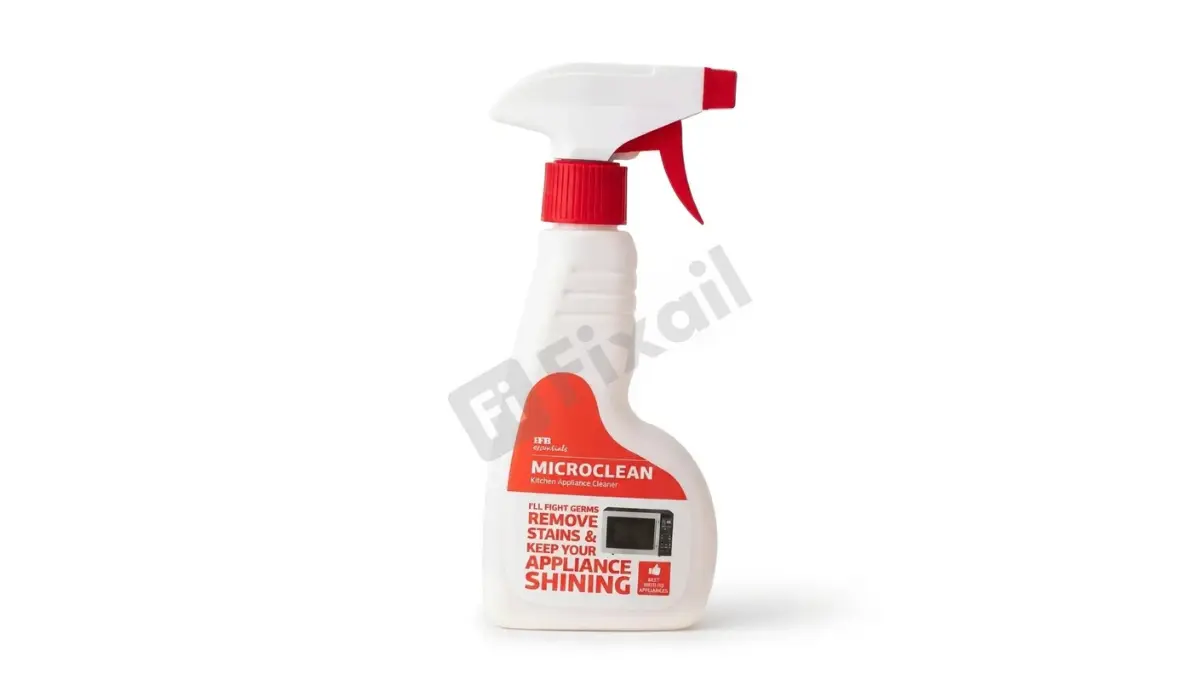
Microwave Smells Bad After Cooking? Here's How Microclean Fixes It
Have you opened your microwave after cooking and been hit with a stale, burnt, or greasy smell that lingers no matter how many times you wipe it down? If you're wondering how to clean microwave interior surfaces properly, the answer usually isn't more wiping — it's using a cleaner actually formulated to break down the baked-on grease and food residue causing the smell in the first place, not just mask it.
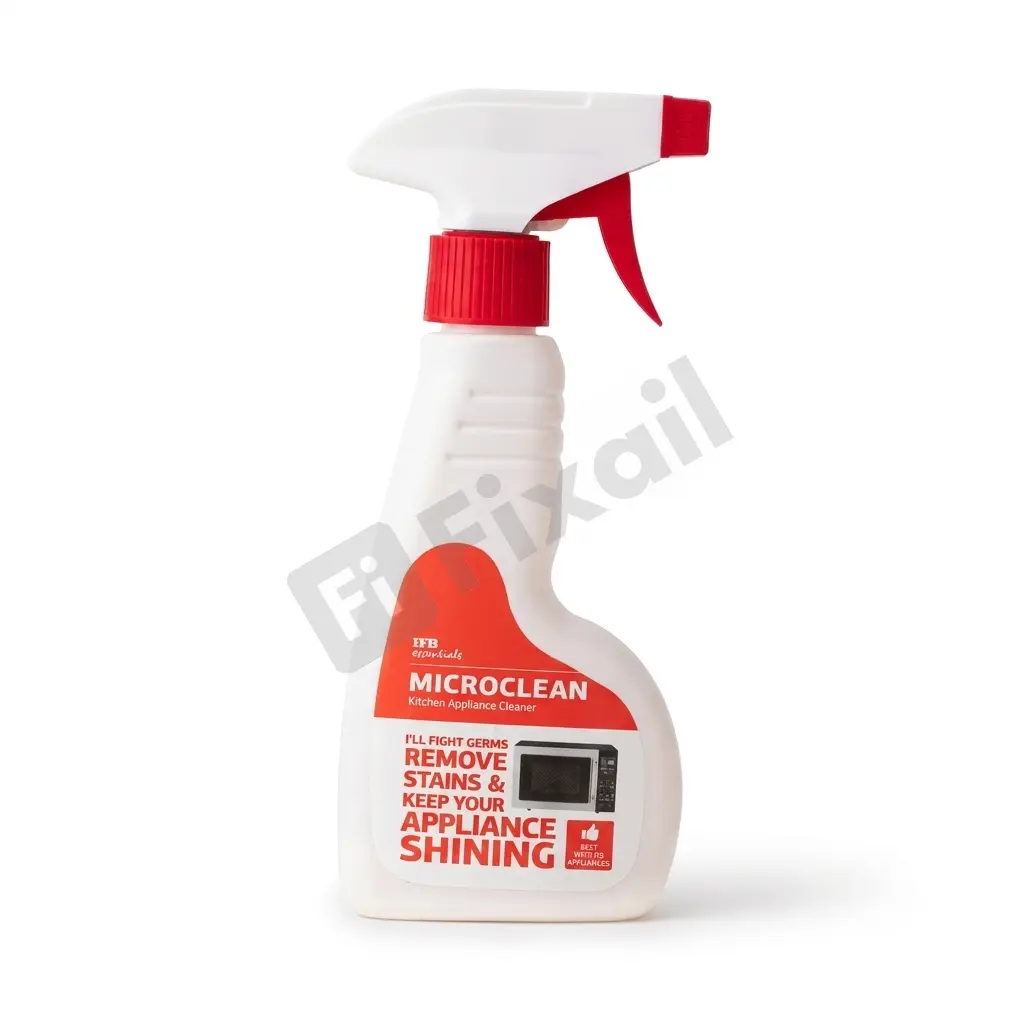
Buy IFB Microwave Oven Kitchen Appliance Cleaner Here
Why Wiping Alone Doesn't Fix the Smell
Every time you microwave food, oil splatters and food particles land on the interior walls and ceiling of the cavity. The heat from repeated use bakes these splatters onto the surface, creating a hardened layer that a damp cloth simply can't lift. This buildup doesn't just look messy it's also the primary source of that lingering odor, since trapped food residue continues to release smell every time the microwave heats up again. Wiping removes surface dust, but it rarely touches the baked-on layer underneath, which is why the smell keeps coming back no matter how often you clean.
What's Actually Causing That Smell
- Baked-on grease splatters that harden under repeated heat cycles
- Trapped food particles in corners and along the turntable edge
- Steam residue that settles and dries on interior walls, especially after reheating liquids
- Smoke films from occasional burnt food, which coat surfaces with a faint but persistent odor
Identifying which of these applies to your microwave helps explain why simple wiping hasn't solved the problem you're dealing with: residue that needs to be broken down, not just moved around.
How to Clean Microwave Interior Surfaces Properly
- Spray the interior surfaces with a dedicated microwave cleaner spray, holding the bottle 12–15 cm away and covering all interior walls, the ceiling, and the door seal area.
- Let it sit for 5 minutes. This dwell time is what allows the formula to actually break down baked-on grease and food residue, rather than sitting on the surface briefly and being wiped away too soon.
- Wipe thoroughly with a clean cloth, working corners and the turntable edge where residue tends to concentrate.
- Leave the door open for 5 minutes afterward to let any remaining scent fully clear before using the microwave again.
- Clean the exterior surfaces too, since grease and fingerprints on the outer body and control panel are just as common and equally treatable with the same product.
Why a Dedicated Microwave Cleaner for Grease and Stain Works Better
A general household cleaner isn't formulated with the same grease-cutting strength needed for baked-on kitchen residue, and using the wrong product risks dulling glass or metal finishes over time. A proper microwave cleaner for grease and stains is built specifically to dissolve hardened cooking oils and food splatters without scratching or corroding sensitive appliance surfaces, which is exactly why it succeeds where a quick wipe-down with water or a generic spray falls short.
A Practical Tip From Experience
A detail that's easy to miss: microwave smells bad most persistently around the door seal and corners, areas people often skip because they're harder to reach with a cloth. Spraying directly into these spots and letting the solution sit the full 5 minutes rather than rushing straight to wiping makes a noticeable difference in fully clearing the odor rather than just reducing it temporarily.
Beyond the Microwave: Other Kitchen Appliances
Grease and food residue buildup isn't unique to microwaves; stovetops, oven exteriors, and range hood surfaces face the same problem. A cleaner formulated for kitchen appliance surfaces generally can be used across these areas too, making it a practical addition to regular kitchen maintenance rather than a single-purpose product.
Why Choose Microclean From Fixail Spares
At Fixail Spares, Microclean Kitchen Appliance Cleaner is formulated specifically to dissolve baked-on grease, food residue, and trapped odors from microwave interiors and exteriors, without damaging sensitive glass or metal finishes. It's a simple, effective answer to how to clean microwave interior surfaces properly not just cover up the smell, but actually remove what's causing it.
Frequently Asked Questions
Why does my microwave still smell bad even after I clean it regularly?
Regular wiping often only removes surface residue, not the baked-on grease layer underneath that continues releasing odor. A dedicated grease-cutting cleaner is needed to fully break down that buildup.
Is Microclean safe to use on the interior walls where food touches?
Yes, when used as directed, spray, allow the recommended dwell time, then wipe thoroughly, and leave the door open briefly afterward before using the microwave again.
Can I use Microclean on other kitchen appliances besides the microwave?
Yes, it's suitable for outer surfaces and general kitchen appliance cleaning, making it useful beyond just microwave interiors.
How often should I deep clean my microwave to prevent smells from building up?
Doing a proper clean every one to two weeks, depending on usage, helps prevent grease and odor buildup from becoming difficult to remove later.