

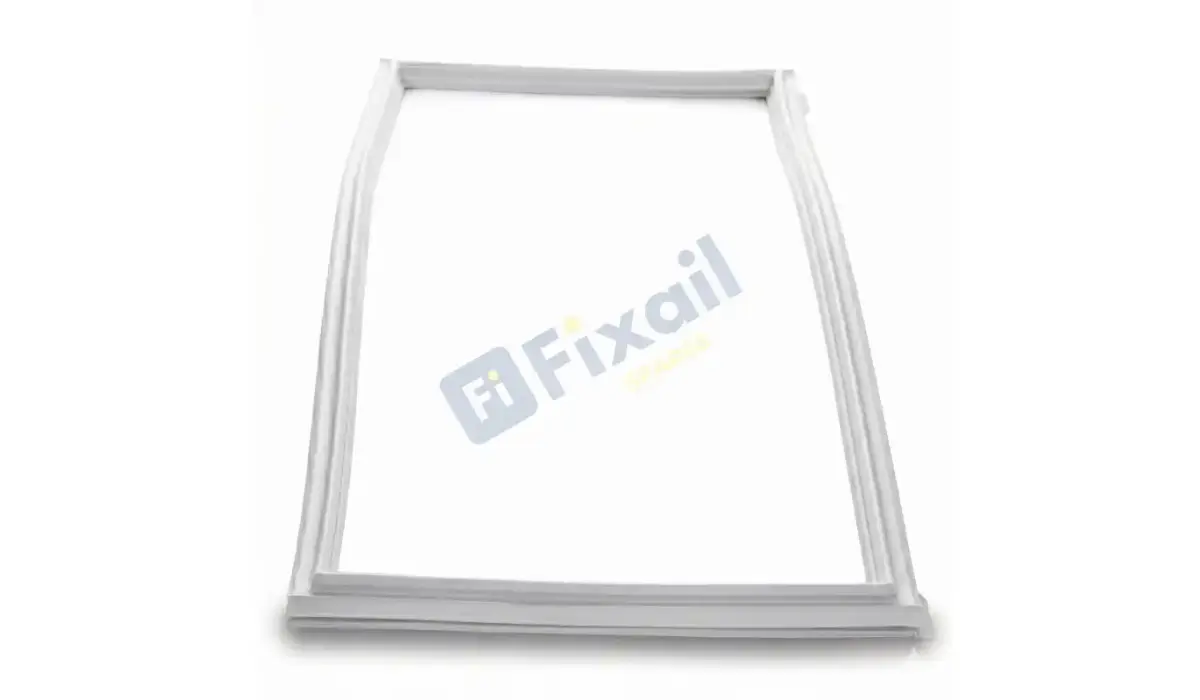
Refrigerator Door Not Sealing Properly? Here's How a Gasket Replacement Fixes It
Have you noticed your refrigerator door not closing as tightly as it used to, or felt a faint draft of cold air near the edges when you walk past? Before assuming something's wrong with the compressor or cooling system, check the seal around the door first. A worn refrigerator door gasket is one of the most common, and most overlooked, causes of cooling problems that actually have nothing to do with the compressor at all.

Why the Door Gasket Matters More Than It Looks
The gasket is the rubber seal that runs around the inside edge of your refrigerator door, and its job is simple but critical: create an airtight seal that keeps cold air in and warm, humid air out. When this seal degrades from age, wear, or damage, even a small gap is enough to let cool air escape continuously. This forces the compressor to run longer and more frequently to maintain temperature, increasing electricity usage and wearing down components that were never designed to work overtime. In many cases, what looks like a cooling failure is really just a seal that's stopped doing its job.
Signs Your Refrigerator Door Gasket Needs Replacing
- Visible cracks, tears, or brittleness along the rubber seal
- The door doesn't feel like it's "pulling" shut with the usual slight resistance
- A dollar-bill or paper test shows the seal isn't gripping (slide a piece of paper into the closed door if it slides out easily, the seal isn't holding)
- Condensation or frost building up near the door edges rather than just inside
- Higher electricity bills without any other explanation
- A faint but noticeable draft when standing close to the closed door
If two or more of these sound familiar, the gasket is a strong first place to check before assuming a bigger issue.
Why Gaskets Wear Out Over Time
Refrigerator gaskets are made of flexible rubber or vinyl, which naturally hardens and loses elasticity with age and repeated use. Frequent door opening, cleaning products that degrade rubber over time, and simple sun or heat exposure near the kitchen can all accelerate this process. Unlike a sudden mechanical failure, gasket wear tends to happen gradually, which is exactly why it's often missed until the cooling issue becomes noticeable.
How to Replace a Refrigerator Door Gasket
- Confirm the gasket is the actual issue using the paper test described above before ordering a replacement.
- Check your refrigerator's model number, since gasket size and shape vary across LG's refrigerator ranges; a mismatched gasket won't seal properly even if it looks similar.
- Remove the old gasket by gently pulling it away from the retaining channel around the door's inner edge; most are held in place by a flange rather than adhesive, so this usually doesn't require tools.
- Clean the channel before fitting the new gasket, since dust and residue buildup can prevent a proper seal even with a brand-new part.
- Fit the new gasket into the channel, starting at one corner and working around the full perimeter, pressing firmly to ensure it seats evenly.
- Re-test with the paper method to confirm the new seal is gripping properly all the way around.
A Practical Tip From Experience
A detail that's easy to miss: a gasket can look intact but still have lost its elasticity, which is why the visual check alone isn't always reliable. If your energy bills have crept up or you've noticed more frost buildup than usual, it's worth doing the paper test at multiple points around the door corners tend to lose their seal before the middle sections do, so a single check in the center of the door can miss a genuine problem.
Why Source Your Refrigerator Door Gasket From Fixail Spares
Getting the correct fit matters with a gasket more than people expect, since even a slightly undersized or oversized gasket won't create the airtight seal your refrigerator needs. At Fixail Spares, refrigerator door gasket listings are matched against specific model numbers, with clear compatibility guidance on every product page, so you can replace a worn seal with confidence rather than guessing based on general appearance.
Frequently Asked Questions
How do I know if it's the gasket or a bigger cooling issue causing my refrigerator problems?
Start with the paper test: slide a piece of paper into the closed door and pull gently. If it slides out easily at any point around the door, the gasket is likely the cause rather than a deeper mechanical fault.
Can I repair a damaged gasket instead of replacing it?
Minor issues sometimes respond to cleaning or reshaping with warm water, but cracks, tears, or hardened rubber generally can't be repaired effectively and need a full replacement for a proper seal.
Will a worn door gasket actually increase my electricity bill?
Yes. A poor seal forces the compressor to run more frequently to compensate for lost cold air, which increases energy consumption even if the refrigerator otherwise seems to be working normally.
How often should a refrigerator door gasket be replaced?
There's no fixed schedule, since wear depends on usage and conditions, but checking it every year or two and immediately if you notice any of the warning signs is a good habit to prevent bigger cooling issues.