

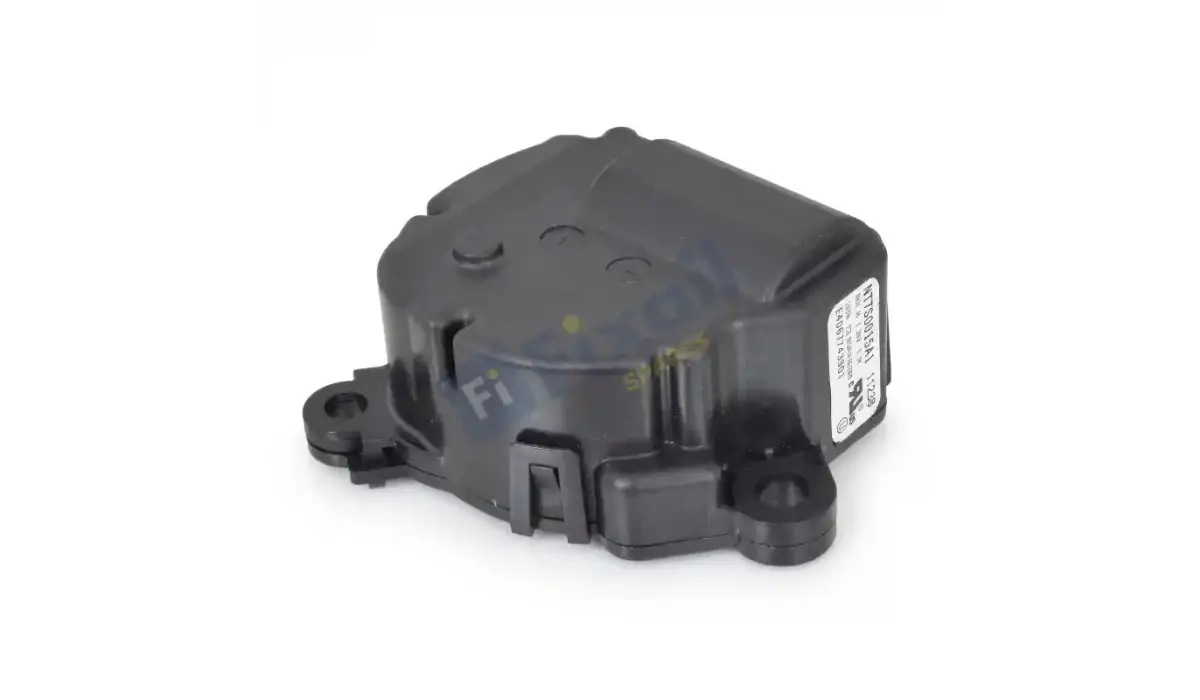
How Long Do Washing Machine Motors Typically Last?
Have you started wondering how much longer your washing machine's motor will hold up, especially if it's been running for several years without any major issues? Understanding washing machine motor lifespan helps you plan ahead — whether that means budgeting for eventual replacement, spotting early warning signs, or simply knowing what's normal wear versus what needs attention now.
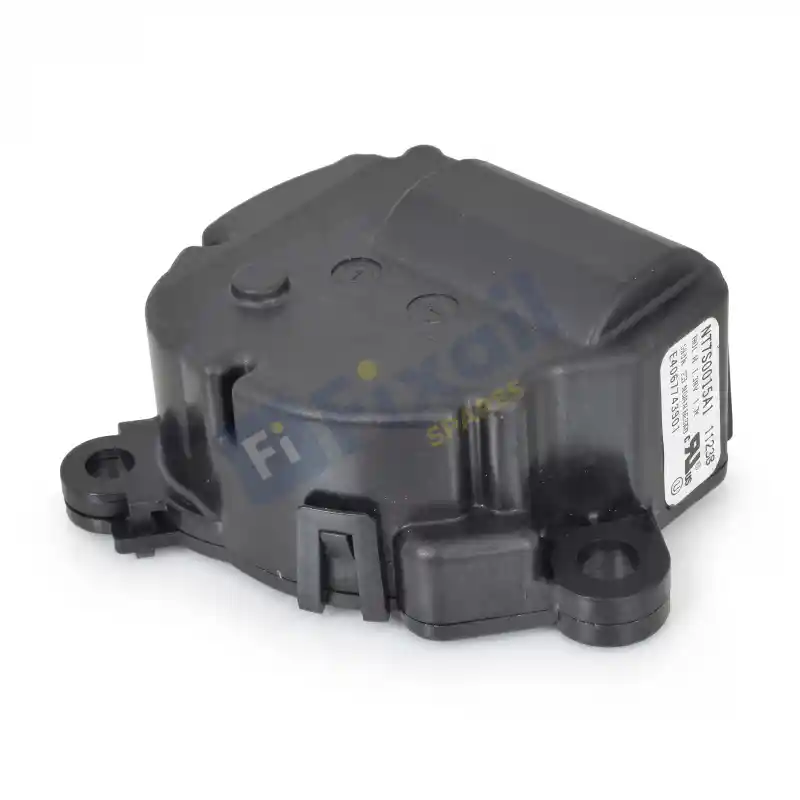
Buy LG Washing Machine Motor Assembly Here
What Determines a Washing Machine Motor's Lifespan
A washing machine motor's lifespan isn't a fixed number it depends heavily on usage frequency, load habits, water quality, and how well the machine has been maintained overall. Under typical household use, most washing machine motors are built to last anywhere from 8 to 12 years, though this range varies based on motor type (direct-drive motors tend to outlast belt-driven ones due to fewer moving parts) and how consistently the machine is used within its rated capacity.
Factors That Shorten Motor Lifespan
1. Consistent Overloading
Running loads beyond the machine's rated capacity forces the motor to work harder than designed, accelerating wear on bearings and windings over time.
2. Voltage Fluctuations
Frequent power fluctuations or unstable electrical supply can stress motor components, particularly in areas without voltage stabilizers protecting home appliances.
3. Lack of Routine Maintenance
Skipping basic maintenance like descaling to prevent limescale buildup affecting internal components, or ignoring early unusual noises, allows minor issues to compound into motor strain over time.
4. Water Quality Issues
Hard water doesn't just affect the drum and heating element; mineral buildup can indirectly stress the motor system by making the machine work harder to complete cycles efficiently.
5. Unbalanced Loads
Frequently washing single heavy items or unevenly distributed loads creates repeated vibration stress on the motor and its mounting components.
Signs Your Washing Machine Motor May Be Wearing Out
- Unusual grinding, humming, or buzzing sounds during the wash or spin cycle
- The machine struggling to reach full spin speed
- Burning smell during operation, which can indicate motor strain or overheating
- Cycles taking noticeably longer than usual to complete
- The machine stopping mid-cycle without a clear error explanation
If you're noticing two or more of these signs, it's worth having the motor inspected before it fails, since early intervention is often more affordable than a full motor replacement.
How to Extend Your Washing Machine Motor's Lifespan
- Avoid consistently overloading the machine beyond its rated capacity, even for convenience.
- Balance loads properly, distributing heavier and lighter items evenly rather than washing single bulky items alone.
- Descale regularly to reduce internal strain caused by mineral buildup, especially in hard water areas.
- Use a voltage stabilizer if your area experiences frequent power fluctuations to protect the motor from electrical stress.
- Address unusual noises early rather than continuing to run the machine and hoping the issue resolves on its own.
Repair or Replace? How to Decide
If your machine is within its expected lifespan range and the fault is isolated to a specific, replaceable component, repair is usually the more cost-effective choice. If the machine is significantly beyond typical lifespan expectations, or multiple components are showing wear simultaneously, a full motor replacement or in some cases, a new machine may offer better long-term value than repeated repairs.
A Practical Note From Experience
A pattern worth remembering: many motor failures that seem sudden actually had early warning signs a faint noise, slightly longer cycle times that went unnoticed for weeks or months beforehand. Paying attention to small changes in how your machine sounds and performs is one of the simplest ways to catch a motor issue early, often before it becomes an expensive repair.
Final Thoughts
Washing machine motor lifespan depends more on how the machine is used and maintained than on the machine itself, which means small, consistent habits can meaningfully extend how long your motor lasts. At Fixail Spares, washing machine motor parts and related components are listed against specific model numbers, with clear compatibility guidance so you can address motor issues confidently, whether that means a targeted repair or a full replacement.
Frequently Asked Questions
What's the average washing machine motor lifespan under normal household use?
Most motors last between 8 and 12 years under typical use, though this varies based on motor type, usage frequency, and maintenance habits.
Do direct-drive motors last longer than belt-driven ones?
Generally, yes. Direct-drive motors have fewer moving parts and less mechanical wear compared to belt-driven systems, which often gives them a longer typical lifespan.
Is a grinding or humming noise always a sign the motor is failing?
Not always, but it's a strong early warning sign worth investigating. Some noises are caused by simpler issues like an unbalanced load, while persistent noise often points to motor wear.
Is it worth repairing a washing machine motor, or should I just replace the whole machine?
It depends on the machine's overall age and condition. If the motor is the only failing component and the machine is otherwise within its expected lifespan, repair is usually the more cost-effective option.