

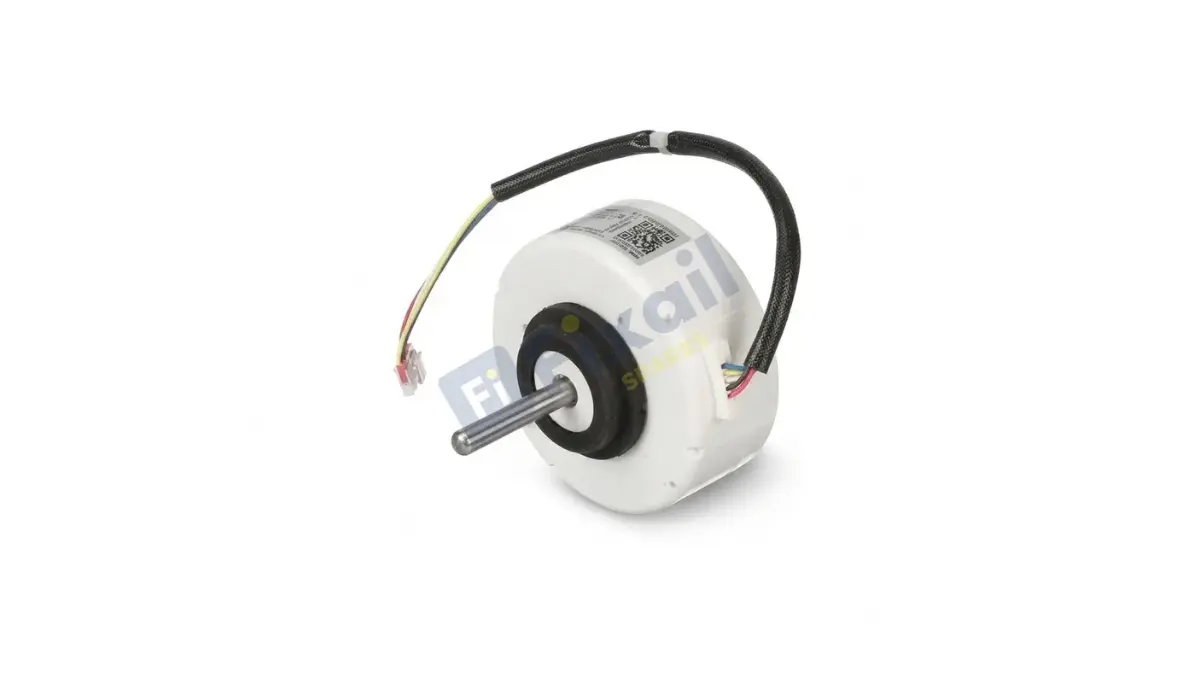
LG AC Indoor Unit Not Blowing Air? Here's How to Check the Fan Motor
Is your LG AC's indoor unit powered on, showing normal settings, but barely blowing any air or none at all? Before assuming the compressor or gas charge is at fault, there's a simpler component worth checking first: the LG AC fan motor. This is the part responsible for pushing air across the indoor coil and into your room, and when it starts failing, weak or missing airflow is usually the very first symptom.
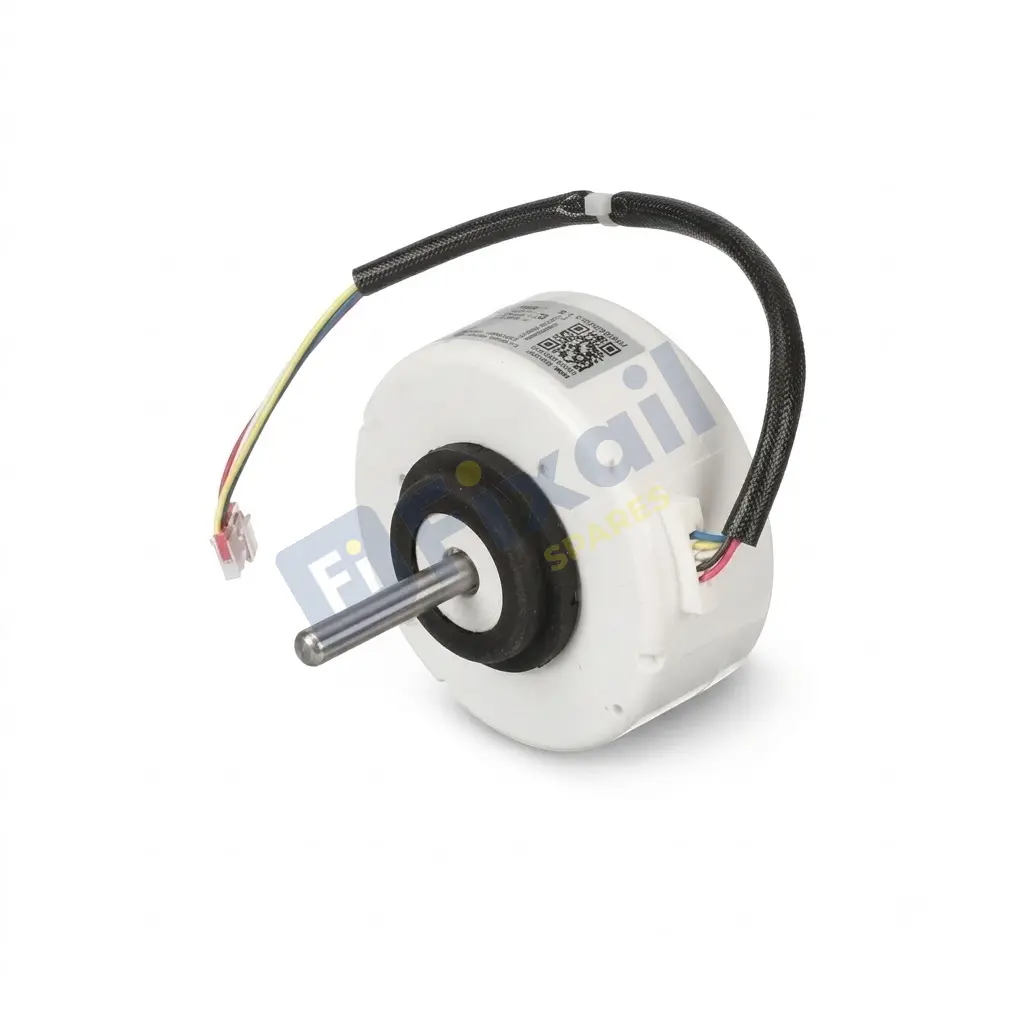
Buy LG Air Conditioner Indoor DC Motor Here
Why Airflow Problems Don't Always Mean a Cooling Fault
It's a common assumption that no airflow means the whole cooling system has failed. In reality, the compressor and refrigerant system can be working perfectly fine while the indoor fan motor, the component that actually circulates air into the room, has stopped or slowed down. This is why an AC can feel like it's "not cooling" when the real issue is that cool air simply isn't being pushed out, rather than not being generated at all.
What the Indoor Fan Motor Actually Does
The indoor unit's fan motor spins the blower wheel that draws room air across the cold evaporator coil and pushes the cooled air back into the room. It's a continuously running component during operation, which makes it more prone to wear over time compared to parts that only activate periodically. A weak, seized, or electrically faulty fan motor directly reduces or eliminates airflow, even while every other part of the AC system continues functioning normally.
Common Signs Your LG AC Fan Motor Needs Attention
1. No Airflow With the Unit Powered On
If the display shows the unit running but you feel little to no air from the vents, the fan motor is one of the first things to check, especially if you can hear the compressor outside running normally.
2. Weak or Inconsistent Airflow
A motor that's wearing out often doesn't fail completely at first; airflow may feel noticeably weaker than usual or fluctuate rather than stopping outright.
3. Unusual Noise From the Indoor Unit
Grinding, rattling, or a humming sound without the blower actually spinning often points to worn motor bearings or an electrical fault within the motor itself.
4. Fan Blades Not Spinning at All
If you can safely see the blower wheel and it's completely still while the unit is powered on, this strongly suggests the fan motor has failed rather than a settings or airflow-restriction issue.
5. AC Running Longer Without Reaching Set Temperature
Reduced airflow means less cool air reaches the room, so the system runs longer to try to hit the target temperature, often mistaken for a refrigerant issue when it's actually an airflow problem.
How to Check Before Assuming the Motor Has Failed
- Confirm power and settings: Ensure the unit isn't in a fan-off or sleep mode that could explain reduced airflow.
- Check for visible obstructions around the indoor unit's air intake and outlet, since blocked vents can mimic motor failure symptoms.
- Listen closely near the indoor unit; a humming sound with no blade movement usually indicates an electrical fault in the motor rather than a mechanical jam.
- Check the air filter; A heavily clogged filter can restrict airflow enough to feel like a fan problem, and it's the simplest thing to rule out first.
- Note whether the issue is total or partial, since a complete stop versus reduced airflow can point toward slightly different underlying motor issues.
A Practical Tip From Experience
A detail that's easy to miss: a fan motor that hums but doesn't spin is often not fully "dead"; it may be an electrical or capacitor-related issue rather than physical motor failure, and this distinction matters for correctly diagnosing the fix. Before assuming a full motor replacement is needed, it's worth noting exactly what you're hearing (humming vs. complete silence), since this detail helps identify whether the fault lies with the motor itself or a related electrical component.
Why Source Your LG AC Fan Motor From Fixail Spares
Getting the correct fan motor matters since LG uses different motor specifications across split AC indoor unit models, and a mismatched motor may not fit or perform correctly even if it looks similar. At Fixail Spares, LG AC fan motor listings are matched against specific model numbers, with clear compatibility guidance so you can restore proper airflow with confidence rather than guessing based on general appearance.
Frequently Asked Questions
My LG AC is cooling outside, but no air is coming from the indoor vents. Is this the fan motor?
This is a strong indicator of a fan motor issue, especially if the outdoor unit and compressor sound like they're running normally while the indoor unit produces little or no airflow.
Can a dirty air filter cause the same symptoms as a failing fan motor?
Yes, a heavily clogged filter can significantly restrict airflow and feel similar to a weak motor. Always check and clean the filter first before assuming the motor itself has failed.
My indoor unit is making a humming noise, but the fan isn't spinning. What does this mean?
This often points to an electrical or capacitor-related fault rather than the motor being completely broken, since a healthy motor typically doesn't hum without movement unless something else is preventing it from starting.
How do I know if it's the fan motor or the compressor causing my AC issues?
If the outdoor unit sounds like it's running and the AC still isn't cooling the room, but airflow from the indoor vents is weak or absent, the fan motor is the more likely cause rather than the compressor.